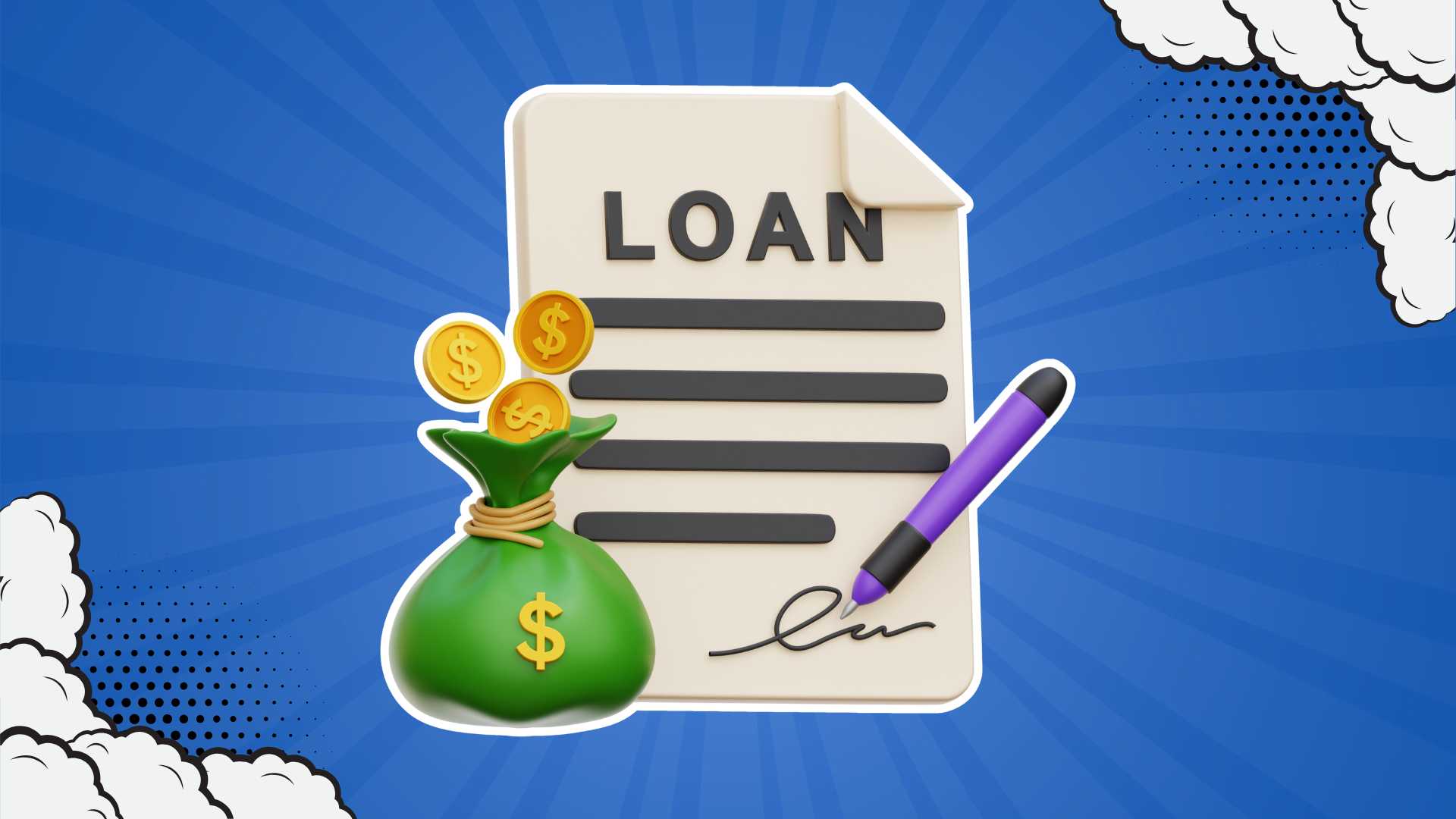
OnePay launches embedded personal loans powered by Upgrade, reshaping consumer credit by letting users apply for $1,000‑$50,000 loans directly within the OnePay app.
What the product is
OnePay’s new Personal Loans service integrates Upgrade’s credit‑underwriting engine into the OnePay consumer app. Users can check rates, receive an offer, accept terms, and manage repayment without leaving the platform. The loan range spans $1,000 to $50,000, with APRs from 7.74% to 35.99% based on eligibility. Funds can be disbursed as early as the same day, turning a traditional, multi‑step loan process into a few taps on a smartphone.
Why it matters
The partnership tackles two converging pressures: rising borrowing costs and tighter bank credit standards. According to a McKinsey study, U.S. personal‑loan balances grew 12% year‑over‑year in 2025, indicating strong demand for non‑bank financing. By embedding credit into a payments‑first app, OnePay reduces friction and captures borrowers at the point of need, a tactic Gartner predicts will fuel $7.2 trillion in embedded finance revenue by 2027.
Technology under the hood
Upgrade supplies the underwriting algorithms, risk‑assessment data, and loan‑servicing infrastructure, while OnePay provides the consumer‑facing UI and access to its existing user base of millions. The integration leverages open‑banking APIs to pull transaction history, enabling a more nuanced credit profile than traditional credit‑score models alone. This data‑rich approach aligns with the broader shift toward AI‑driven risk analytics in fintech.
Industry impact
Embedding personal loans directly into a payments app blurs the line between banking and commerce, echoing moves by rivals such as PayPal’s “Pay in 4” and Square’s “Cash App Loans.” However, OnePay differentiates itself by offering larger loan amounts and a wider APR band, positioning the service for both everyday expenses and higher‑ticket needs like debt consolidation. The move also pressures traditional banks to modernize legacy loan origination systems, as fintechs continue to capture credit‑seeking consumers.
Implications for enterprise marketing teams
For B2B marketers, the launch illustrates the power of embedded finance as a loyalty driver. Companies that embed credit can deepen user engagement, generate new data streams, and cross‑sell ancillary services such as insurance or investment products. marketing platforms—Salesforce, Adobe Experience Cloud, and Microsoft Dynamics—are already rolling out modules to track credit‑related touchpoints, enabling personalized campaigns that react to a user’s borrowing lifecycle.
Competitive landscape
While PayPal and Stripe focus on short‑term installment plans, OnePay’s partnership with Upgrade targets mid‑range personal loans, a segment less saturated but rapidly growing. Amazon’s recent entry into consumer credit through “Amazon Credit Builder” hints at a broader industry trend: large ecosystems are leveraging their data advantage to offer loans without a banking license. OnePay’s approach—embedding a third‑party lender rather than building its own credit stack—allows faster time‑to‑market and mitigates regulatory exposure, a strategy that could become a template for other fintech platforms.
Future outlook
If adoption mirrors early indicators—high app engagement and a growing appetite for on‑demand credit—OnePay could process tens of thousands of loan applications per month within its first year. The data generated will likely feed back into Upgrade’s models, refining risk assessment and potentially lowering APRs for high‑quality borrowers. The partnership also sets the stage for additional embedded products, such as lines of credit or auto‑loan referrals, further expanding OnePay’s financial services ecosystem.
Market Landscape
The embedded finance market is entering a phase of consolidation, with platforms seeking to become “one‑stop shops” for payments, credit, and investment. IDC forecasts that by 2026, 55% of digital‑native consumers will have used at least one embedded‑finance product. Regulatory bodies are responding with clearer guidance on data sharing and consumer protection, but the pace of rule‑making remains slower than product rollout. In this environment, OnePay’s model—leveraging an established lender while retaining control of the customer experience—offers a pragmatic path forward for fintechs that lack deep credit‑risk expertise.
Top Insights
- Embedding loans in a payments app cuts acquisition friction, turning a typical 30‑day approval into a same‑day experience.
- Upgrade’s underwriting data combined with OnePay’s transaction history creates a richer credit profile than traditional scores alone.
- The $7.2 trillion embedded‑finance forecast by Gartner underscores the scale of opportunity for platforms that can bundle credit with everyday transactions.
- enterprise marketing teams can use loan lifecycle data to trigger cross‑sell campaigns, boosting customer lifetime value without intrusive outreach.
- Competitive pressure on banks intensifies as fintechs like OnePay deliver faster, more transparent credit options directly to consumers.
Get in touch with our fintech expert