Lititz Mutual Insurance Company has selected Guidewire ProNavigator to provide conversational AI within underwriting and claims workflows, giving employees and independent agents access to answers based on company policies, procedures and institutional knowledge.
Lititz Mutual Insurance Company is adopting Guidewire ProNavigator to bring conversational AI into its underwriting and claims operations, with the goal of helping employees and independent agents find insurance-specific information without manually searching across documents and systems.
The implementation reflects a broader push by insurers to embed artificial intelligence into operational workflows rather than treating AI as a standalone application. For carriers dealing with employee turnover, onboarding requirements and large volumes of internal documentation, making institutional knowledge easier to access can be an important part of maintaining operational consistency.
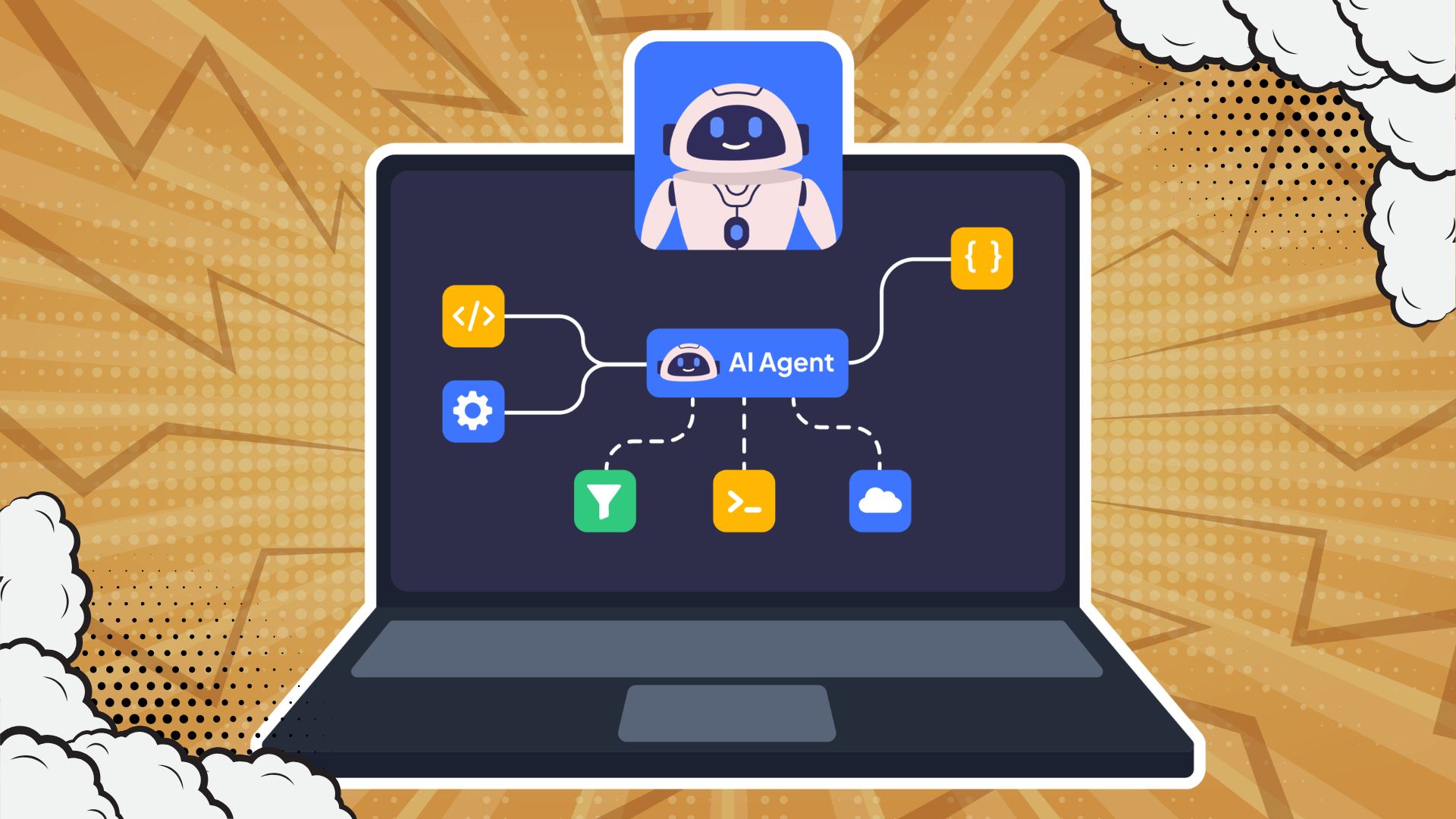
Guidewire ProNavigator is designed to provide conversational answers and guided recommendations using an insurer’s policies, procedures and expertise. Lititz Mutual says the technology will give its employees and independent agents access to relevant information directly within their existing underwriting and claims workflows.
That embedded approach is significant because insurance operations often require employees to navigate detailed rules and procedures while processing claims, assessing risk or supporting agents. Moving those interactions into a conversational interface can reduce the need to locate information manually, although the effectiveness of such systems depends on the quality, governance and currency of the underlying knowledge.
For Lititz Mutual, the deployment is also being positioned as part of a longer-term AI strategy. Henry Gibbel, president and chief executive officer of Lititz Mutual, said the insurer wanted to use AI to make employees and independent agents more effective by placing trusted information directly into their workflows.
The company said ProNavigator is intended to reduce administrative work while improving access to information for agents and employees. Gibbel also emphasized security and governance as considerations in selecting an AI solution, describing Guidewire’s embedded approach as a practical way to introduce AI capabilities while maintaining those controls.
The implementation comes as insurers increasingly explore generative AI and conversational interfaces for knowledge management, customer service, underwriting and claims. Unlike customer-facing chatbots that interact directly with policyholders, an internal workflow assistant can focus on helping employees interpret and locate company-specific information.
That distinction matters for insurance organizations because generic AI systems may not have access to proprietary underwriting guidelines, claims procedures or organizational knowledge. An insurer-specific system can instead be grounded in internal content, potentially making responses more relevant to the carrier’s operating environment.
Guidewire’s position in the insurance technology market also gives the deployment a broader platform context. The company provides software infrastructure for property and casualty insurers, including systems supporting policy administration, billing, claims and related operations. ProNavigator extends that technology environment with an AI-based knowledge and guidance layer.
Joseph D’Souza, general manager of ProNavigator at Guidewire, said embedding intelligence into daily workflows can provide agents, adjusters and underwriters with faster access to information. Guidewire also linked that operational support to improved policyholder experiences and longer customer relationships, although those outcomes are company assertions rather than independently demonstrated results from the Lititz Mutual deployment.
The technology could be particularly relevant to insurers managing distributed agency networks. Independent agents frequently need access to carrier-specific rules and procedures, while adjusters and underwriters may need to reference different sources depending on the type of policy or claim they are handling. A common conversational interface could reduce some of the friction associated with finding that information.
However, AI-powered knowledge systems also introduce governance requirements. Insurers need mechanisms for controlling which documents can be accessed, maintaining current information, monitoring responses and determining when human review is required. Security is particularly important where internal systems contain commercially sensitive information or policyholder-related data.
For Lititz Mutual, ProNavigator is expected to serve as more than an isolated productivity tool. The insurer says the platform will provide a foundation for extending AI-powered capabilities into future agent and customer experiences.
That approach illustrates how AI adoption in insurance is shifting toward embedded applications that support specific operational processes. Rather than replacing underwriting or claims systems, conversational AI can sit alongside them as an interface for retrieving information and guiding employees through established procedures.
The immediate use case at Lititz Mutual centers on employee and agent productivity, but the broader significance lies in how insurers connect enterprise knowledge with operational software. As carriers continue to evaluate generative AI, the ability to combine useful automation with security, governance and reliable internal information will remain central to adoption.
Market Landscape
Insurance technology is increasingly moving toward embedded AI, particularly for knowledge management, underwriting, claims and agent support. The market is shifting from experimentation with general-purpose generative AI toward workflow-specific applications grounded in proprietary business information.
For insurers, the challenge is balancing productivity gains with accuracy, security, governance and regulatory requirements. AI assistants that operate inside existing systems can potentially reduce workflow friction, but their value depends heavily on the quality of the information used to generate recommendations and answers.
Lititz Mutual’s deployment represents this workflow-oriented approach, using AI to connect employees and independent agents with company-specific knowledge rather than positioning the technology solely as a customer-facing chatbot.
Top Insights
- Lititz Mutual is deploying Guidewire ProNavigator to provide conversational AI within underwriting and claims workflows.
- The system is designed to retrieve insurance-specific answers from company policies, procedures and institutional knowledge.
- The deployment targets employee and independent-agent productivity while reducing manual searches across documents and systems.
- Security, governance and information quality remain important considerations when insurers deploy AI against proprietary enterprise knowledge.
- Lititz Mutual plans to use ProNavigator as a foundation for potential future AI capabilities across agent and customer experiences.
Get in touch with our fintech expert