GoCardless says it has processed the UK’s first live agentic account-to-account payment, using an AI-driven checkout to establish a recurring Direct Debit donation for anti-poverty charity Trussell.
GoCardless has processed what it describes as the UK’s first live agentic account-to-account payment, completing a recurring donation to anti-poverty charity Trussell through an AI-driven checkout. The transaction was developed within the Financial Conduct Authority’s AI Live Testing programme and demonstrates how AI agents could move from recommending financial actions to initiating payments under defined user controls.
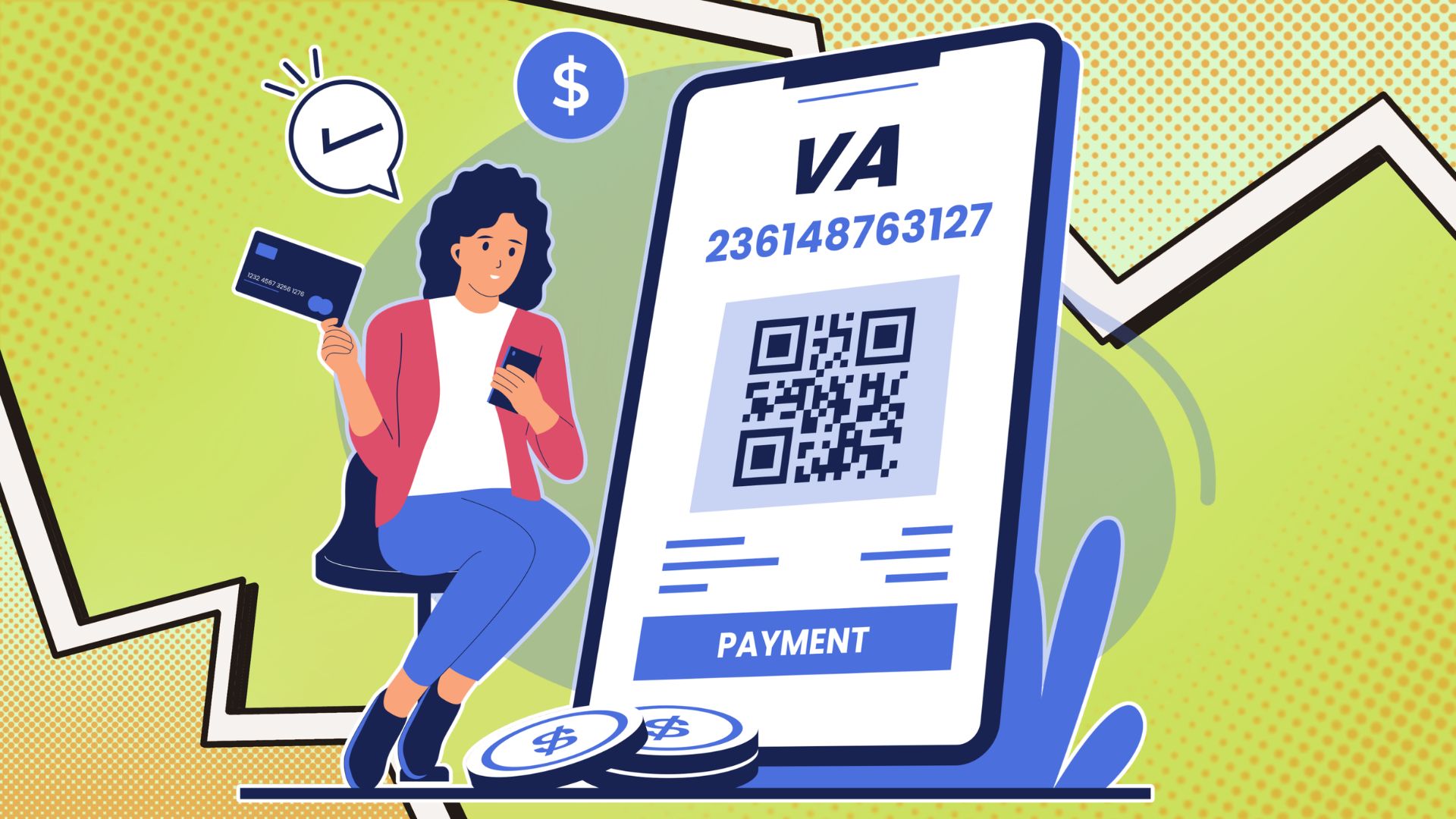
The transaction was completed entirely through an AI chat interface. A donor can use the conversation to learn about Trussell’s work, select a recurring donation of £5, £10 or £15 per month, and provide bank details to establish a Direct Debit mandate.
Rather than redirecting the donor to a conventional payment form, the AI agent handles the interaction and initiates the account-to-account payment setup. GoCardless says the model is designed around keeping the payer in control of the amount and payment commitment.
That distinction is important as financial services move toward agentic commerce. AI assistants can increasingly perform tasks on behalf of users, but allowing an agent to initiate a financial transaction introduces questions around consent, authentication, liability, fraud and the boundaries of an agent’s authority.
The UK government has identified agentic payments as a near-term priority in its 2026 Financial Services AI Adoption Plan. The plan describes agentic payments as a practical test case for broader autonomous financial services and highlights unresolved questions around legal and regulatory accountability, consent and fraud. It recommends developing a trust framework covering areas such as legal liability, “Know Your Agent” protocols, authentication and governance.
The regulatory environment is evolving alongside the technology. HM Treasury’s July 2026 consultation on modernising payment-services regulation specifically considers how the framework should adapt to innovations including tokenised payments, open banking and agentic payments while maintaining consumer protections.
GoCardless developed the transaction through the FCA’s AI Live Testing programme, which is designed to allow financial-services firms to test emerging AI applications in a controlled environment. The FCA has identified GoCardless among firms working on agentic-payment use cases through the programme.
For GoCardless, the choice of account-to-account payments is central to the experiment. Direct Debit already supports recurring payments, while account-to-account infrastructure can provide an alternative to card-based checkout flows. That makes recurring donations a relatively straightforward environment for testing whether an AI agent can guide a user through a payment without removing control from the person authorising it.
The company says its payer research found that 64% of UK consumers are open to AI managing recurring payments if they retain control over limits or final approval. That figure is a GoCardless research finding rather than an independently verified market-wide measure, but it illustrates the consumer-control question surrounding agentic payments.
Hiroki Takeuchi, co-founder and CEO of GoCardless, said the live transaction was developed under FCA supervision and argued that account-to-account payment methods are well suited to agentic commerce because recurring-payment mechanisms can be combined with user-defined controls.
For Trussell, the use case is comparatively simple: an AI conversation helps a supporter understand the charity’s work and establish a recurring contribution. Christianne McKenzie, Head of Individual Giving at Trussell, said the conversational approach could make it easier for people to commit to recurring donations.
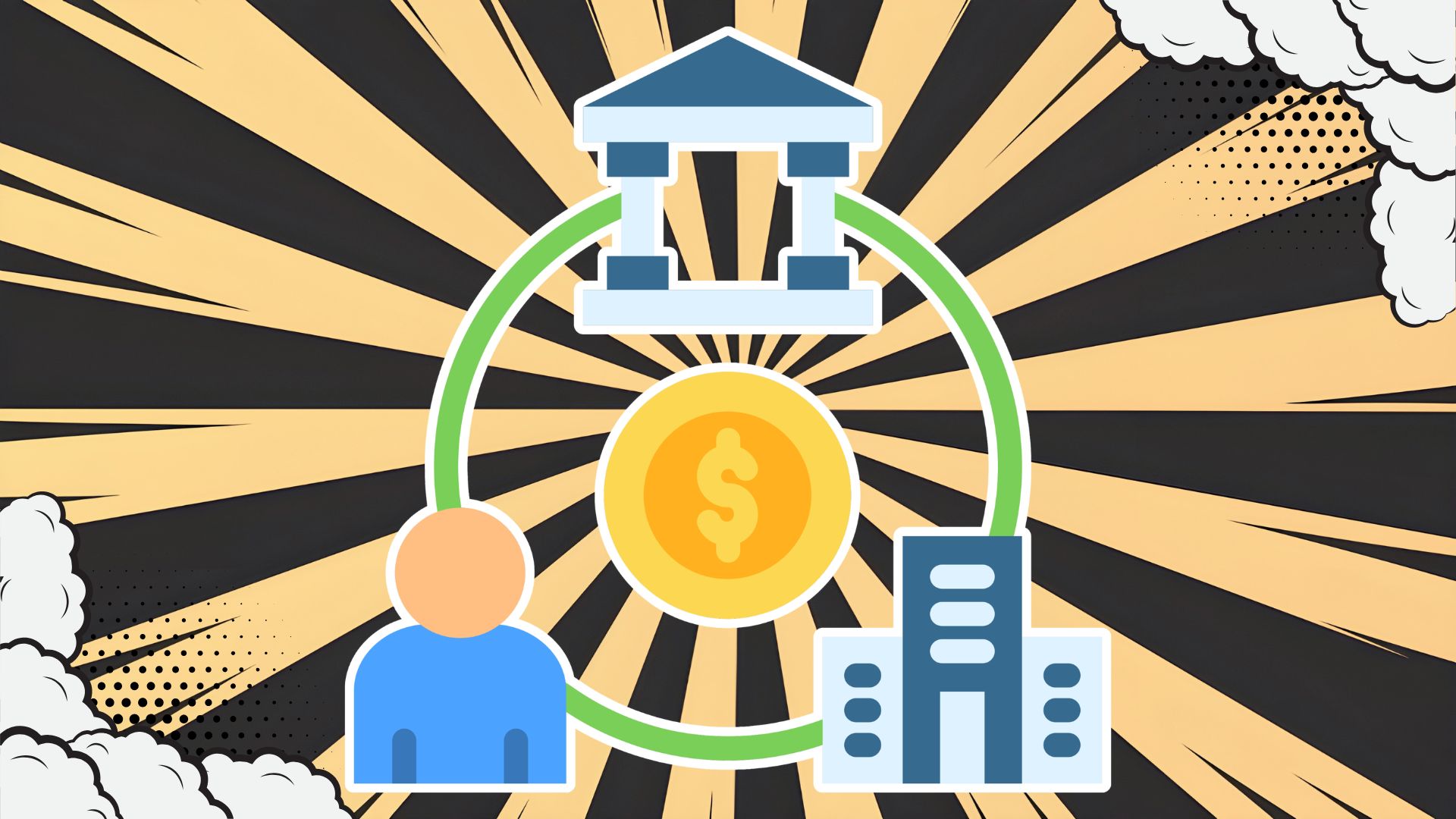
The transaction nevertheless points to a larger change in the payments architecture. In conventional digital commerce, the consumer navigates a merchant’s website, selects a product or service and completes a payment. In an agentic model, an AI system can become the interface through which the consumer discovers information, makes a decision and initiates the transaction.
That shift potentially changes the role of the checkout itself. Payment providers may need to expose transaction capabilities that can be safely invoked by software agents while ensuring that merchants, banks and consumers can establish who authorised a transaction and under what conditions.
The commercial opportunity is potentially significant. Morgan Stanley Research estimates that agentic shoppers could account for $190 billion to $385 billion of U.S. e-commerce spending by 2030, equivalent to roughly 10% to 20% of the market under its scenarios. The research concerns agentic shopping broadly rather than account-to-account payments specifically, so it should not be interpreted as a forecast for GoCardless or agentic payments alone.
The financial-services implications extend beyond checkout. AI agents could eventually initiate recurring bills, manage subscriptions, select payment routes or execute other predefined transactions. But each use case requires mechanisms for authentication, spending limits, auditability, dispute resolution and fraud prevention.
That is why the UK regulatory focus on agentic payments is significant. The government’s adoption plan argues that resolving these foundational issues in payments could provide lessons for wider autonomous financial applications.
GoCardless’ Trussell transaction is therefore less about replacing conventional checkout interfaces immediately and more about testing the infrastructure and controls required when software becomes an active participant in the payment process.
As agentic AI develops, the competitive question for payment providers may increasingly become how securely they can let authorized AI agents interact with account-to-account payment infrastructure while preserving consumer control. The GoCardless transaction provides an early production example of that model in the UK.
Market Landscape
Agentic payments are emerging at the intersection of AI, account-to-account payments, open banking and digital commerce. The UK is actively examining the regulatory and technical requirements for allowing autonomous software agents to initiate financial transactions.
The government’s 2026 Financial Services AI Adoption Plan identifies agentic payments as a specific readiness area, while the FCA is using controlled testing environments to examine real-world applications.
The market challenge extends beyond payment execution. Providers need to establish clear authorization, agent identity, consumer consent, transaction limits, fraud controls and liability when an AI system acts on a user’s behalf.
Top Insights
- GoCardless says it has completed the UK’s first live agentic account-to-account payment through an AI-driven recurring donation checkout for Trussell.
- The transaction establishes a Direct Debit mandate entirely through an AI conversation, without requiring the donor to navigate a conventional checkout.
- The FCA’s AI Live Testing programme provided a controlled environment for developing and testing the agentic payment use case.
- UK policymakers are examining agentic payments as an early test case for broader autonomous financial services and AI-driven transactions.
- Morgan Stanley estimates agentic shoppers could account for $190 billion to $385 billion in U.S. e-commerce spending by 2030.
Get in touch with our fintech expert