Banqup Group is partnering with Austria’s Post Business Solutions to combine e-invoicing, payments and compliance capabilities for Austrian businesses, targeting a market where digital invoicing is expanding while regulatory requirements continue to evolve.
Banqup targets Austria with integrated e-invoicing platform
European fintech company Banqup Group has announced a collaboration with Post Business Solutions, a subsidiary of Austrian Post, to launch an integrated financial workflow offering around the latter’s upcoming E-Rechnung Austria service.
The partnership combines Banqup’s cloud-native, API-based infrastructure with Post Business Solutions’ local business-process expertise. The companies say the offering is designed for Austrian small and midsize businesses, tax advisers and larger enterprises that want to connect invoicing, payments and related financial workflows through a single platform.
The announcement comes as European businesses face increasing pressure to digitize financial administration. E-invoicing is becoming a more important component of digital payments and tax-compliance infrastructure, although requirements vary significantly between European markets.
For Austria specifically, the regulatory picture requires some nuance. The European Commission says Austria has required structured electronic invoices for suppliers to central government entities since April 2020. However, there is currently no general B2B or B2C e-invoicing mandate in the country. Austria has adopted the European EN 16931 e-invoicing standard at the federal level, with XML-based formats including UBL and Cross-Industry Invoice supported for compliant electronic invoices.
That leaves room for private-sector adoption to be driven by operational efficiency, customer requirements and preparation for potential future regulatory changes.
Connecting invoices with payments
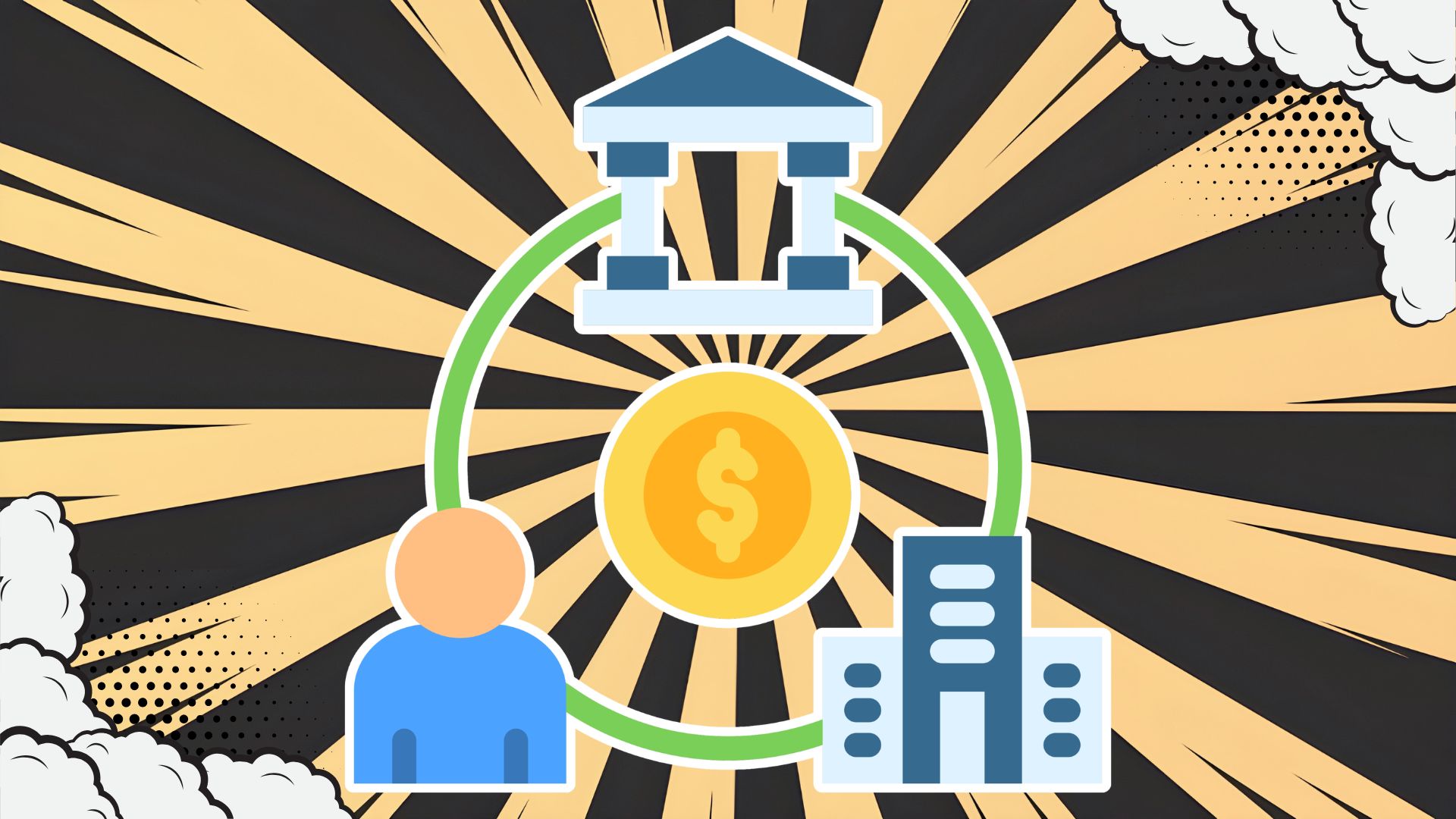
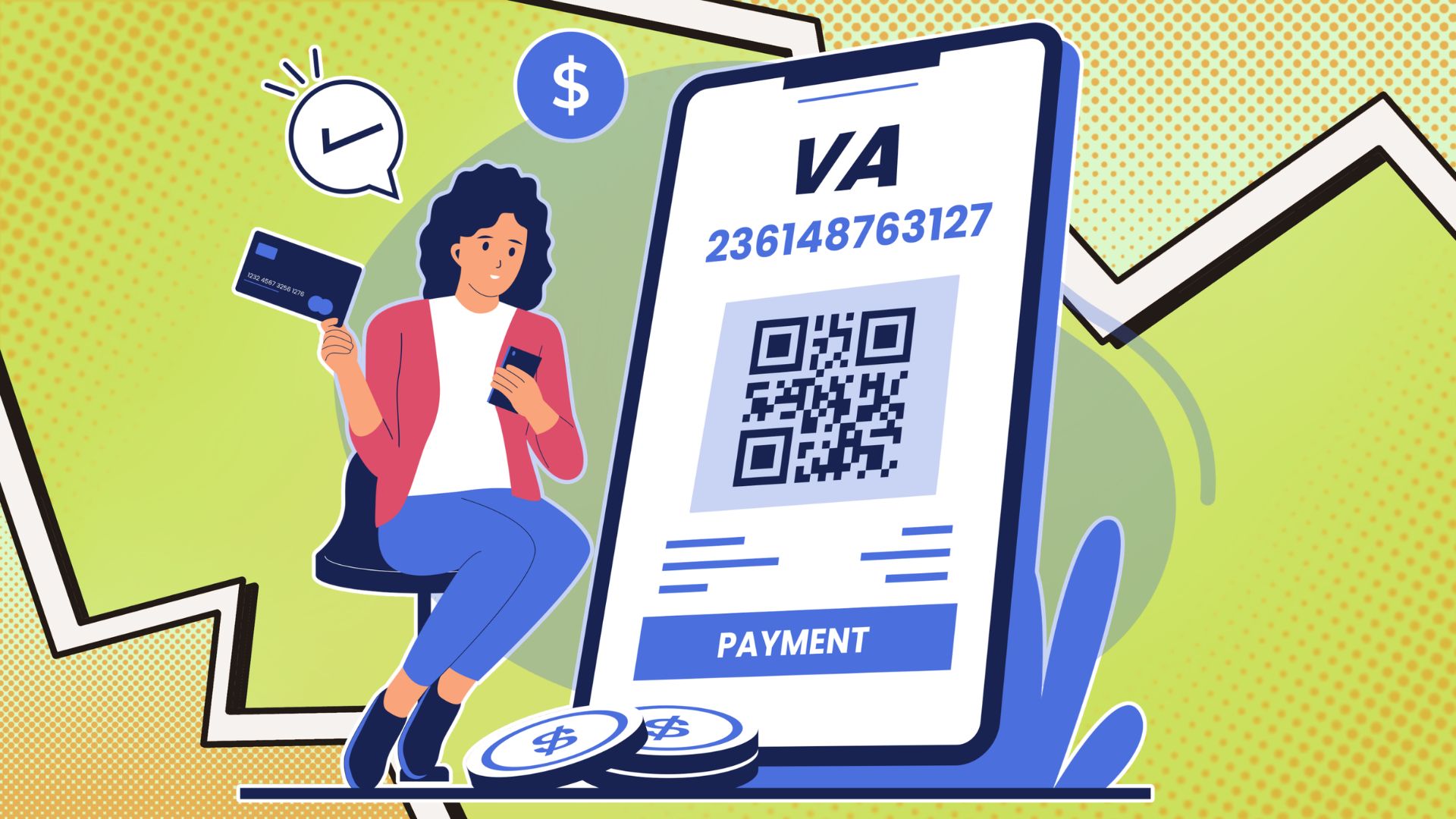
Banqup and Post Business Solutions are positioning the collaboration around more than electronic invoice delivery. The companies intend to connect invoicing and payment workflows so businesses can manage financial processes with less manual intervention.
The proposed setup is intended to provide localized compliance capabilities alongside payment automation, document processing and workflow visibility. According to the companies, this could help businesses shorten payment cycles, improve cash-flow management and reduce administrative work associated with document and data handling.
The architecture also reflects a wider shift in financial technology toward API-based infrastructure. Instead of treating invoicing as a standalone accounting function, fintech platforms are increasingly connecting invoices to payments, accounting systems, business applications and compliance processes.
Banqup already positions its platform around four interconnected areas: e-invoicing, e-payments, e-reporting and e-trust. Its partner model also allows software companies to integrate these capabilities through APIs rather than developing the underlying infrastructure themselves.
For Post Business Solutions, the collaboration extends its existing business-process technology offering into a more integrated financial workflow. The company says it serves more than 500 national and international clients and has capabilities spanning data capture, intelligent workflows, printing and scanning, with an emphasis on data protection and compliance.
Austria becomes another European e-invoicing market
The Austrian agreement also fits Banqup’s broader strategy of expanding through local partnerships. In September, the company announced another partner-led initiative in France focused on e-invoicing adoption. Earlier in 2026, Banqup also announced a strategic partnership with Visa covering integrated e-invoicing and e-payment capabilities.
This partner-led approach is relevant to the European fintech market because e-invoicing requirements are fragmented across jurisdictions. A platform may provide common technology infrastructure, but businesses still need solutions adapted to local tax rules, formats, government systems and commercial practices.
For Austrian businesses, that localization may be particularly relevant because the country’s existing public-sector e-invoicing infrastructure operates through systems including the Business Service Portal and e-Rechnung.gv.at. Solution providers can connect directly to the federal infrastructure to submit invoices on behalf of customers.
From compliance tool to financial infrastructure
The more significant development is the attempt to make e-invoicing part of a broader financial operating system rather than an isolated compliance feature.
Connecting an invoice directly to payment and reporting workflows can create a continuous data trail from the creation of a receivable through settlement. For SMEs and accountants, that can reduce duplicate data entry. For larger companies, API connectivity can make invoice information available to existing ERP, accounting and treasury systems.
It also brings e-invoicing closer to the embedded finance model, where financial services are incorporated directly into business software and workflows.
The Austrian partnership does not by itself establish a new regulatory requirement for private-sector companies. Instead, it gives Banqup and Post Business Solutions a platform for responding to growing demand for digital financial administration while Austrian businesses navigate an evolving European compliance environment.
The companies say the immediate focus is scaling digital adoption and payment automation in Austria. The longer-term opportunity will depend on how quickly businesses move from basic electronic invoicing toward integrated, automated financial workflows.
Market Landscape
European Financial Technology providers are increasingly combining e-invoicing, payments, tax reporting and compliance into interconnected platforms. Austria provides an example of this transition: structured e-invoicing is established in government procurement, while private-sector B2B adoption remains voluntary under current rules.
The development also connects Digital Payments Platforms, Embedded Finance Infrastructure and Banking Technology Innovation. As invoices become structured digital data rather than static documents, they can increasingly trigger payment, reconciliation, reporting and accounting processes.
For fintech vendors, the competitive opportunity is therefore shifting from simply delivering an electronic invoice toward owning more of the financial workflow surrounding it.
Top Insights
- Banqup and Post Business Solutions are combining e-invoicing and payment infrastructure for Austrian SMEs, tax advisers and larger enterprises.
- Austria currently mandates structured e-invoicing for central government suppliers, while B2B e-invoicing remains voluntary under current rules.
- The partnership connects invoicing, payment automation, compliance and document workflows rather than treating e-invoicing as a standalone function.
- API-based financial infrastructure can connect invoice data with accounting, ERP, payment and reporting systems.
- Banqup is using local partnerships as part of its broader European e-invoicing and financial workflow expansion strategy.
Get in touch with our fintech expert