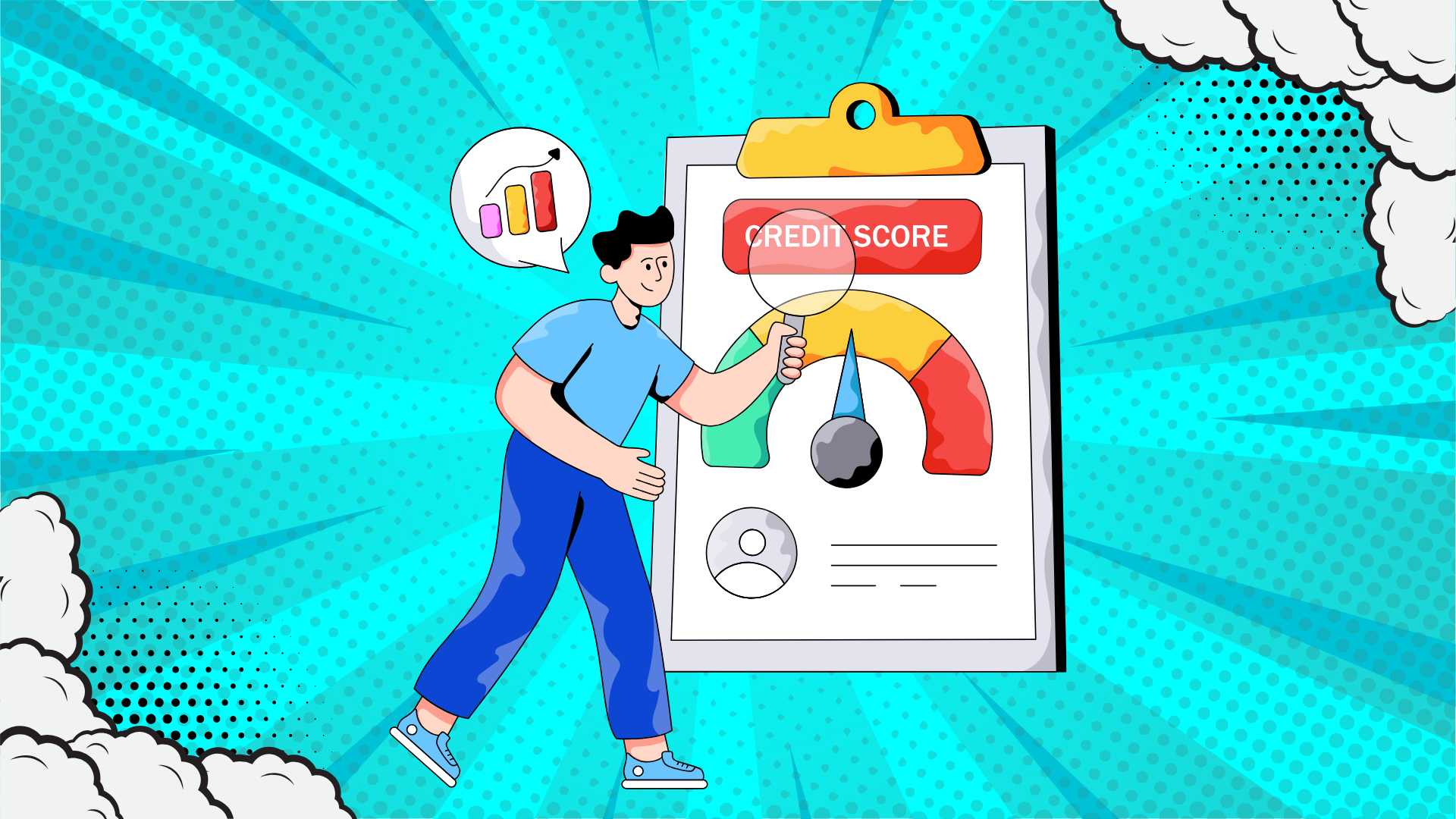
Experian Boost Expands Credit‑Score Data with Everyday Bill Integration, the latest move by Experian, adds utility, telecom and streaming payments to consumers’ credit files, promising a more complete view of financial behavior for both borrowers and lenders.
What the announcement entails
Experian’s newest iteration of its Boost service now lets users connect a broader set of recurring expenses—such as electricity, mobile phone, internet and select insurance payments—to their Experian credit report. The data is ingested in real time, and on‑time payments are reflected in the user’s FICO® Score. The rollout, announced on June 15, 2026, is positioned as a response to the growing demand for alternative data that can fill gaps in thin credit files.
alternative data credit models have been gaining traction. A 2023 Gartner survey found that 68 % of financial institutions plan to incorporate non‑traditional data sources by 2025. By converting everyday bill payments into credit‑worthy signals, Experian Boost helps lenders reduce reliance on limited revolving‑credit histories, potentially widening access for under‑banked consumers. The move also aligns with the broader embedded finance trend, where financial services are woven directly into non‑financial platforms.
How the technology works
The service operates through a secure API that links a consumer’s bank account to Experian’s data platform. After authentication, the system scans transaction histories for qualifying recurring charges, flags them, and presents the user with a consent screen. Once approved, the positive payment data is transmitted to Experian’s scoring engine, where it becomes part of the credit file used for FICO® Score 8 calculations. Only on‑time payments are added; late or missed payments are excluded, preserving the integrity of the score.
Why it matters for the industry
Alternative‑data credit models have been gaining traction. A 2023 Gartner survey found that 68 % of financial institutions plan to incorporate non‑traditional data sources by 2025. By converting everyday bill payments into credit‑worthy signals, Experian Boost helps lenders reduce reliance on limited revolving‑credit histories, potentially widening access for under‑banked consumers. The move also aligns with the broader embedded finance trend, where financial services are woven directly into non‑financial platforms.
Impact on enterprise marketing teams
For B2B marketers, the expanded data set translates into richer consumer insights. When a brand’s payment data contributes to a higher credit score, the consumer’s credit health improves, which can influence purchasing power and eligibility for financing offers. Marketing teams can leverage this information to tailor cross‑sell campaigns, especially for high‑margin products that require financing, such as enterprise‑grade hardware or SaaS subscriptions. Moreover, the real‑time nature of the data enables dynamic segmentation based on credit‑score movement, supporting more timely and relevant outreach.
The marketing teams can also use the improved credit visibility to personalize offers and drive higher conversion rates across digital channels.
Competitive landscape
Experian Boost is not the only alternative‑data player. TransUnion’s Credit View and Equifax’s Credit Score Builder offer similar services, but they focus primarily on utility and telecom data without the real‑time integration Experian now provides. Meanwhile, fintech platforms like Plaid and Finicity supply raw transaction data to lenders, yet they leave the scoring logic to downstream partners. Experian’s end‑to‑end approach—data capture, scoring, and consumer dashboard—creates a tighter feedback loop that competitors must match to stay relevant.
Comparison with other solutions
- Data breadth: Experian now covers utilities, mobile, internet, streaming and select insurance payments, whereas TransUnion’s offering is limited to utilities and telecom.
- User control: Experian’s consent screen allows granular selection of which bills to boost, a feature absent in most rival products.
- Scoring impact: Because Experian feeds the data directly into its own FICO® Score 8 model, the impact is immediate and measurable, unlike third‑party aggregators that rely on downstream scoring engines.
Future outlook
The integration of everyday payments into credit files is a stepping stone toward a more holistic financial‑health ecosystem. As embedded finance platforms—such as Amazon Pay, Google Pay and Microsoft Dynamics 365—continue to capture transaction data, the line between traditional credit reporting and real‑time financial activity will blur. For enterprises, the ability to surface credit‑score improvements within a CRM like Salesforce or Adobe Experience Cloud could unlock new revenue streams tied to financing eligibility.
Market Landscape
The credit‑data market is undergoing rapid consolidation. According to IDC, global spending on credit‑risk technology is expected to exceed $12 billion by 2027, driven largely by alternative‑data solutions. Regulators in the U.S. and EU are also tightening guidelines around data consent, making Experian’s opt‑in model a compliance advantage. Meanwhile, fintech startups are layering credit‑score APIs into SaaS products, accelerating the diffusion of embedded credit across verticals—from ride‑hailing to e‑commerce.
Top Insights
- Experian Boost now incorporates utility, telecom, internet and streaming payments, expanding the pool of credit‑worthy data for consumers with thin files.
- Real‑time ingestion of on‑time payments can shift a borrower’s FICO® Score within days, offering immediate feedback for credit‑building strategies.
- The service gives enterprise marketers a new lever to segment audiences by credit‑score trajectory, enabling more precise financing offers.
- Competitors like TransUnion and Equifax lag in data breadth and integration speed, positioning Experian as a front‑runner in alternative‑data credit scoring.
- Industry analysts project that alternative‑data credit tools will power 30 % of new loan underwriting decisions by 2028, reshaping risk models across banking and fintech.
Get in touch with our fintech expert