





Duck Creek Launches Agentic AI Platform to Automate Core Insurance Workflows
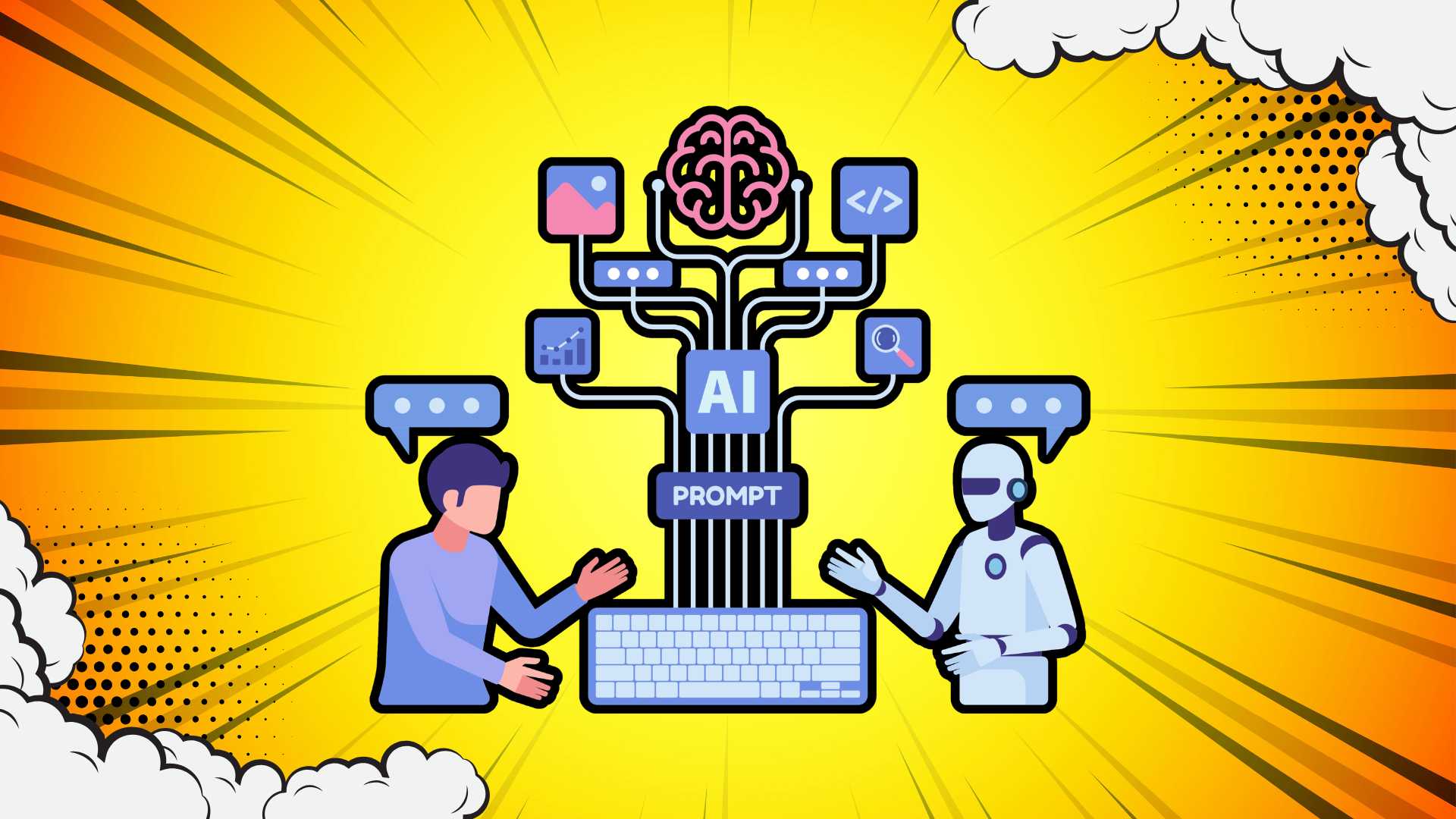
Duck Creek Launches Agentic AI Platform to Automate Core Insurance Workflows – the Boston‑based insurer‑technology provider announced a new AI‑driven platform that embeds intelligent agents directly into policy, underwriting and claims processes, promising end‑to‑end decision automation with built‑in governance.
On April 28, 2026 the company introduced the Duck Creek Agentic AI Platform, an insurance‑native framework that lets carriers deploy, orchestrate and monitor AI agents across the entire insurance lifecycle. The announcement bundles two first‑look applications—Agentic Underwriting Workbench and Agentic First Notice of Loss (FNOL)—designed to accelerate submission‑to‑quote cycles and streamline claims intake.
How the Platform Works
At its core, the platform fuses Duck Creek’s policy‑level data, proprietary insurance ontologies and neuro‑symbolic reasoning into a Model Context Repository (MCR). Fine‑tuned large language models (LLMs) and machine‑learning classifiers operate on this repository, while a unified orchestration layer sequences autonomous actions and human‑in‑the‑loop checkpoints. Governance modules—collectively called AI Assurance—log every decision, provide traceability and enforce compliance guardrails, addressing a common regulator concern around opaque AI.
Why It Matters
Boston Consulting Group estimates that AI could unlock up to $80 billion in annual U.S. P&C profit, yet adoption stalls because insurers lack trusted, end‑to‑end solutions. By embedding agents directly into existing Duck Creek core systems, the platform reduces the need for costly data migrations and allows carriers to scale AI without abandoning legacy technology. The headless and embedded deployment options further future‑proof investments, letting insurers plug the platform into any front‑end channel—from web portals to voice assistants.
Competitive Context
Traditional insurance AI offerings often focus on isolated use cases—risk scoring, fraud detection or chatbots—without a cohesive governance layer. Competitors such as Guidewire and Cognizant provide modular AI tools, but they typically require separate integration projects and lack the neuro‑symbolic reasoning that Duck Creek touts. The Agentic AI Platform’s combination of deterministic rule execution with probabilistic LLM inference distinguishes it from pure‑ML stacks offered by cloud‑first players like Google Cloud and Microsoft Azure.
Implications for Enterprise Marketing Teams
For B2B marketers selling insurance technology, the platform creates a new narrative hook: “AI that can be audited, explained and governed.” Campaigns can now emphasize risk‑adjusted ROI, citing the BCG projection, and showcase concrete time‑to‑quote improvements demonstrated by the Underwriting Workbench. Moreover, the platform’s API‑first design enables joint go‑to‑market programs with system integrators and ecosystem partners, expanding the addressable market beyond traditional carrier IT departments. marketing teams can leverage this narrative to differentiate their offerings.
Real‑World Impact: Early Use Cases
- Agentic Underwriting Workbench ingests a submission, enriches data with external sources, triages high‑value opportunities and delivers a decision‑ready quote within minutes, cutting average turnaround from days to hours.
- Agentic FNOL captures claim details via chat, voice or mobile, validates coverage, flags potential fraud and routes the case to the appropriate adjuster, reducing first‑notice processing time by an estimated 30 percent.
Looking Ahead
Duck Creek’s partnership with Google Cloud and the use of Gemini models suggest a roadmap that could incorporate generative content creation for policy documents, automated compliance reporting and even predictive loss modeling. As carriers grapple with the pressure to digitize quickly, platforms that blend deep domain knowledge with flexible AI orchestration are likely to become the new baseline for P&C technology stacks.
Market Landscape
The insurance technology market is at a crossroads where legacy core systems intersect with rapid AI adoption. IDC predicts that by 2027, 70 percent of P&C carriers will have integrated AI into at least one core workflow, yet only a fraction will achieve enterprise‑wide governance. Open‑banking initiatives and embedded finance models are expanding the data surface, creating opportunities for AI agents to act on real‑time account information. Meanwhile, fintech startups continue to launch point solutions for claims chatbots and underwriting scorecards, but they often operate in silos. Duck Creek’s end‑to‑end platform attempts to bridge that gap, offering a single pane of glass for data, models and compliance—a proposition that could accelerate the industry‑wide shift from “AI‑assist” to “AI‑orchestrate.”
Top Insights
- The Agentic AI Platform merges deterministic insurance rules with probabilistic LLM inference, delivering explainable AI that satisfies regulator scrutiny.
- Headless and embedded deployment models let carriers preserve existing core investments while scaling AI across new digital channels.
- Early applications—Underwriting Workbench and FNOL—promise 30‑40 percent reductions in processing time, directly impacting loss ratios and customer satisfaction.
- Compared with peers, Duck Creek’s neuro‑symbolic approach offers deeper domain context, reducing the data‑labeling burden typical of pure‑ML solutions.
- For enterprise marketers, the platform creates a compelling value story centered on audited AI, measurable ROI and partnership opportunities with cloud providers.
Get in touch with our fintech expert