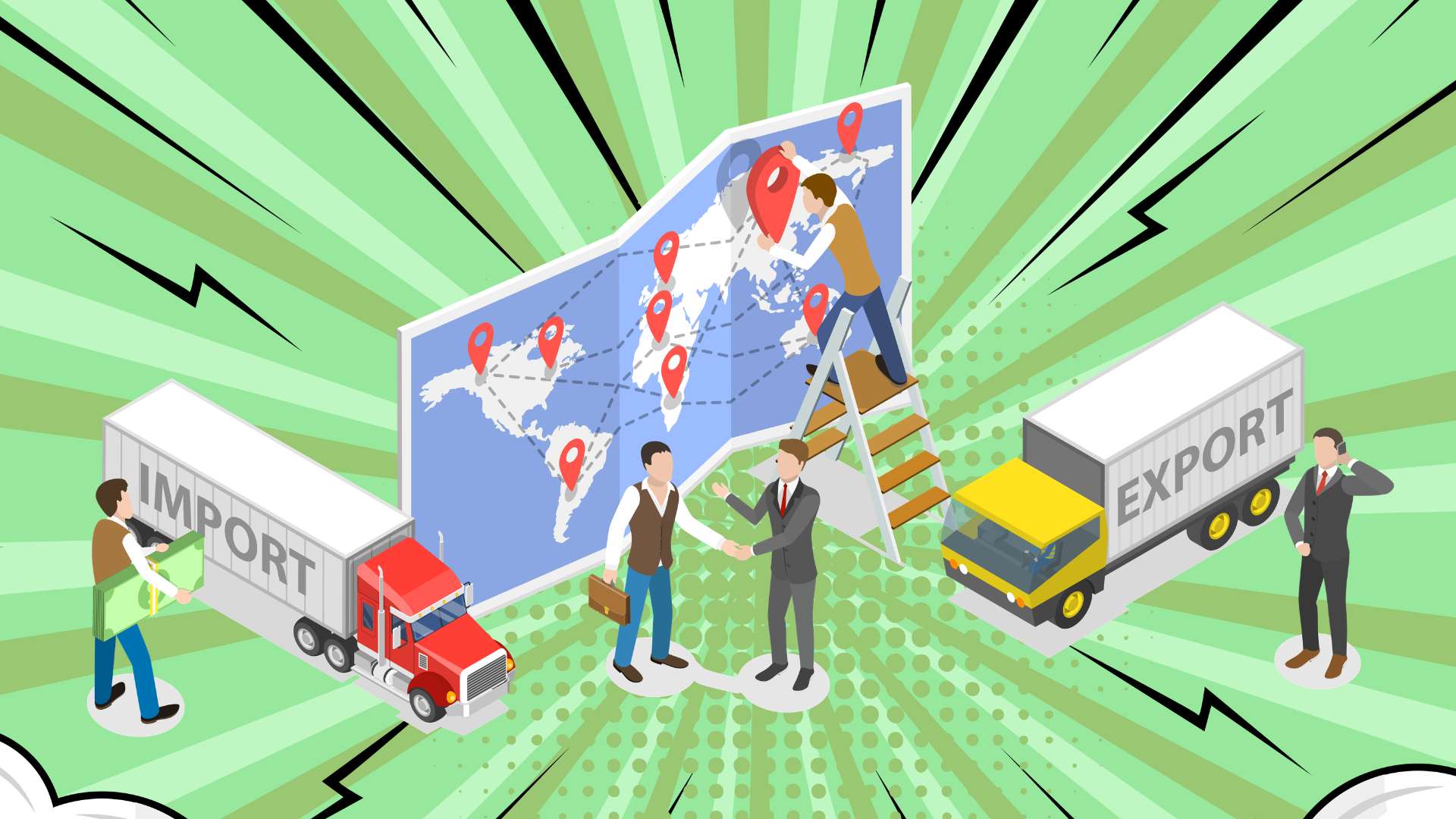
Beijing, June 26 2026 – The latest edition of the China International Supply Chain Expo (CISCE) introduced a new “Supply Chain Service” zone that consolidates high‑value, technology‑driven services across the logistics value chain. Built around four thematic pillars—Blue Channel, Integrated Logistics, Comprehensive Services, and Industrial Finance—the zone brings together a mix of Chinese incumbents and global operators to showcase how fintech, data analytics, and sustainability tools are being woven into the fabric of modern supply chains.
A New Platform for End‑to‑End Supply‑Chain Innovation
CISCE’s decision to carve out a dedicated service area reflects a broader shift in China’s logistics strategy: moving from pure physical infrastructure toward integrated digital ecosystems that can automate financing, compliance, and risk management. By assembling participants that span maritime carriers, air‑cargo providers, customs‑bonded zones, carbon‑trading platforms, and payment networks, the expo aims to illustrate a “one‑stop shop” for companies seeking to digitize and de‑risk their global trade operations.
The four pillars are designed to address distinct yet interlinked challenges:
- Blue Channel – Maritime connectivity and port services.
- Integrated Logistics – Multi‑modal transport and smart warehousing.
- Comprehensive Services – Legal, data, carbon and AI‑enabled tools.
- Industrial Finance – Payments, trade credit, and risk coverage.
Blue Channel: Reinforcing Maritime Gateways with Digital Touchpoints
The Blue Channel cluster groups together three Chinese port authorities—China Merchants Group and Shandong Port Group—and three global shipping powerhouses: Maersk, MSC (Mediterranean Shipping Company) and FedEx. Their joint exhibits highlight the scale of China’s port network, which now spans six continents, and underscore how digital platforms are being used to streamline vessel scheduling, customs clearance, and cargo tracking.
Key fintech takeaways:
- Real‑time data exchange between carriers and port operators is being facilitated through API‑based platforms, enabling instant visibility into berth availability and container status.
- Embedded financing options are emerging, allowing shippers to secure short‑term credit tied directly to shipping contracts, reducing the need for separate loan applications.
- Carbon‑footprint calculators are being integrated into booking systems, giving exporters a clearer view of emissions associated with each maritime leg.
These capabilities align with the global push toward “green shipping,” where digital tools help quantify and mitigate environmental impact while supporting compliance with emerging carbon‑border adjustment mechanisms.
Integrated Logistics: Multi‑Modal Networks Meet AI‑Powered Coordination
Representatives from China Henan Aviation Group, YTO Express, Hebei Logistics Group, Nippon Express and Top Ideal populate the Integrated Logistics pavilion. Their displays span air‑cargo hubs, temperature‑controlled cold‑chain facilities, and the China‑Europe Railway Express corridor.
Fintech implications include:
- Dynamic pricing engines powered by machine learning that adjust freight rates in response to demand fluctuations, fuel price volatility, and capacity constraints.
- Smart contracts that automate the release of goods once predefined conditions—such as temperature thresholds or customs clearance—are met, cutting manual hand‑offs.
- Cross‑border e‑customs platforms that pre‑validate documentation, reducing clearance times and lowering the risk of regulatory penalties.
By marrying physical transport with predictive analytics, these players are positioning themselves to offer “as‑a‑service” logistics solutions that can be seamlessly integrated into enterprise resource planning (ERP) systems.
Comprehensive Services: From Legal Counsel to Carbon Trading
The third pillar expands the definition of logistics to include ancillary services that traditionally sit outside the core freight business. Exhibitors feature Beijing Daxing Airport Comprehensive Bonded Zone, the National Immigration Administration Service Center, China Carbon Emission Registration and Clearing Co., Ltd., Dun & Bradstreet and Easy‑Biz.
Key observations:
- RegTech solutions are on display, offering automated compliance checks for import/export licensing, customs duties, and immigration documentation.
- Carbon‑credit marketplaces enable shippers to purchase verified emission offsets directly within the supply‑chain workflow, addressing the rising demand for ESG‑compliant logistics.
- Data‑verification services from Dun & Bradstreet provide real‑time credit scoring for overseas partners, facilitating faster risk assessment for trade finance decisions.
- AI‑driven export tools from Easy‑Biz promise to reduce paperwork by auto‑populating customs forms using natural‑language processing.
Collectively, these services illustrate how fintech is extending beyond payments to become a critical enabler of compliance, risk mitigation, and sustainability reporting.
Industrial Finance: Building a Cross‑Border Payments and Trade‑Credit Ecosystem
The most finance‑centric segment brings together China UnionPay, Visa, Mastercard, the Export‑Import Bank of China, Industrial and Commercial Bank of China (ICBC), Bank of Communications, People’s Insurance Company of China (PICC) and a delegation from Singapore’s major banks—UOB, DBS and OCBC—under the auspices of the Singapore Business Federation (SBF).
Highlights of the financial architecture:
- Multi‑currency settlement hubs that allow exporters to receive payments in their preferred currency while the buyer settles in local tender, reducing FX exposure.
- Policy‑backed lending from the Export‑Import Bank, paired with commercial credit lines from ICBC and Bank of Communications, creates a layered financing structure that can support large‑scale projects and SMEs alike.
- Trade‑credit insurance offered by PICC covers cross‑border receivables, addressing the heightened risk perception in volatile markets.
- Embedded payment rails from UnionPay, Visa and Mastercard aim to create a unified checkout experience for B2B transactions, supporting both card‑based and tokenized payments.
The convergence of traditional banking, state‑backed finance, and global card networks signals a maturing ecosystem where fintech solutions can be embedded directly into procurement platforms, accelerating cash flow and reducing working‑capital constraints.
Strategic Implications for Fintech Stakeholders
Accelerated Adoption of Embedded Finance
The showcase underscores a growing appetite among logistics firms to embed financing directly into their service offerings. By linking freight contracts to instant credit lines, companies can smooth cash cycles without resorting to external factoring arrangements. Fintech providers that can deliver low‑friction, API‑first credit products stand to capture a sizable slice of the $1.2 trillion global freight‑finance market.
Data‑Driven Risk Management Gains Traction
With Dun & Bradstreet and carbon‑registry partners on board, the expo highlights how real‑time data feeds are becoming essential for underwriting trade credit and assessing ESG compliance. Fintech platforms that aggregate and normalize disparate data sources—such as vessel AIS signals, customs filings, and carbon‑offset registries—will be better positioned to offer predictive risk scores.
Cross‑Border Payments Move Toward Standardization
The presence of UnionPay, Visa, Mastercard and Singapore’s banking consortium points to a push for interoperable payment standards that can handle high‑value B2B transactions. Industry observers anticipate that tokenization and ISO 20022 adoption will reduce settlement latency and cut transaction costs, especially for SMEs that previously faced prohibitive banking fees.
Sustainability Becomes a Financial Metric
Carbon‑trading services embedded in logistics workflows signal that ESG considerations are moving from optional reporting to core financial calculations. Companies that can quantify emissions per shipment and offset them in real time will likely enjoy preferential financing terms from banks aligning with green‑loan frameworks.
Regulatory Landscape: Aligning with China’s Open‑Finance Agenda
China’s recent regulatory guidance encourages the integration of fintech into traditional industries, emphasizing data security, consumer protection, and cross‑border data flow compliance. The inclusion of the National Immigration Administration Service Center suggests that identity‑verification solutions are being vetted for conformity with the country’s real‑name registration rules.
Moreover, the Export‑Import Bank’s participation reflects state endorsement of policy‑driven financing mechanisms that complement market‑based credit. This dual‑track approach—government‑backed loans paired with commercial financing—mirrors global trends where regulators seek to balance financial stability with innovation.
Fintech firms eyeing the Chinese market must therefore navigate:
- Data localization requirements for cross‑border information exchanges.
- AML/CFT protocols aligned with the People’s Bank of China’s guidelines for digital payments.
- Carbon‑border adjustment policies that may affect the pricing of emissions‑linked services.
Compliance with these frameworks will be a prerequisite for establishing a lasting foothold in China’s evolving supply‑chain finance arena.
Outlook: From Expo Showcase to Industry Standard
While the Supply Chain Service zone is a curated exhibition, the partnerships and technology demos presented suggest a roadmap for how the logistics industry will evolve over the next five years:
- Fintech‑enabled trade finance will become a default component of procurement platforms, reducing reliance on legacy letters of credit.
- Real‑time carbon accounting will be embedded in freight booking engines, feeding directly into ESG reporting dashboards.
- API‑driven multi‑modal orchestration will allow shippers to switch between sea, air, rail, and road with a single digital interface, optimizing cost and speed.
- Cross‑border payment interoperability will lower friction for SMEs, fostering greater participation in global trade.
If the momentum generated at CISCE translates into commercial roll‑outs, the convergence of logistics and fintech could unlock efficiencies worth billions of dollars, while simultaneously advancing sustainability goals.
Bottom Line
The fourth China International Supply Chain Expo’s new Service zone offers a compelling glimpse into a future where logistics, finance and technology operate as a seamless ecosystem. By aligning maritime giants, multi‑modal carriers, regulatory service providers, and a suite of fintech players under one roof, the expo demonstrates how integrated digital solutions can drive resilience, speed, and greener outcomes for global supply chains.
Fintech firms, banks, and logistics operators should monitor the developments emerging from this showcase closely. The collaborations highlighted—especially those involving embedded financing, real‑time data analytics, and carbon‑offset mechanisms—are likely to set the benchmark for next‑generation supply‑chain services worldwide.
Get in touch with our fintech expert