Bybit, the Singapore‑based cryptocurrency exchange that has grown into a global hub for derivatives and spot trading, announced the launch of ByUSDT on Monday. The new token is a fully‑backed, dollar‑pegged stablecoin that can be used as collateral across Bybit’s suite of financial products, from its Earn program to leveraged margin accounts. The move is designed to give retail traders a way to generate yield on assets that would otherwise sit idle, while also simplifying risk‑management for the platform’s fast‑growing user base.
The release arrives at a moment when the “stablecoin‑as‑collateral” model is gaining traction beyond institutional circles. Binance’s BUSD, Coinbase’s USDC, and a host of DeFi protocols already allow users to earn interest on their holdings, but few have integrated that capability directly into a high‑frequency trading environment. Bybit’s answer is ByUSDT—an on‑ramp that blends exchange‑grade liquidity with a straightforward yield‑earning mechanism.
Below, we break down what ByUSDT is, why it matters for retail traders, how it stacks up against rivals, and what it could mean for the broader digital‑asset ecosystem.
What Is ByUSDT, and How Does It Work?
At its core, ByUSDT is a ERC‑20 token (and soon a BEP‑20 version) that is backed 1:1 by USDT reserves held in cold storage. The token is minted when a user deposits USDT into Bybit’s custodial wallet; each deposited USDT results in an equivalent amount of ByUSDT minted on the blockchain. The token can then be transferred, traded, or staked within Bybit’s native products without ever leaving the platform’s secure vaults.
Key functional highlights include:
| Feature | Detail |
|---|---|
| Collateral Use | ByUSDT can serve as margin collateral for spot, perpetual futures, and options trading, reducing the need to lock up actual USDT. |
| Yield Engine | Through Bybit Earn, holders earn up to 12% APY (subject to market conditions) by lending their ByUSDT to institutional borrowers and liquidity pools. |
| Instant Settlement | Because the token lives on the same chain as Bybit’s trading engine, collateral swaps happen in milliseconds, eliminating the latency that often plagues cross‑chain protocols. |
| Risk Buffer | ByUSDT is over‑collateralized by a 5% safety margin in Bybit’s reserve pool, a safeguard designed to protect against market shocks. |
| Regulatory Transparency | Bybit publishes monthly audit reports confirming the USDT backing, aligning with emerging stablecoin compliance trends. |
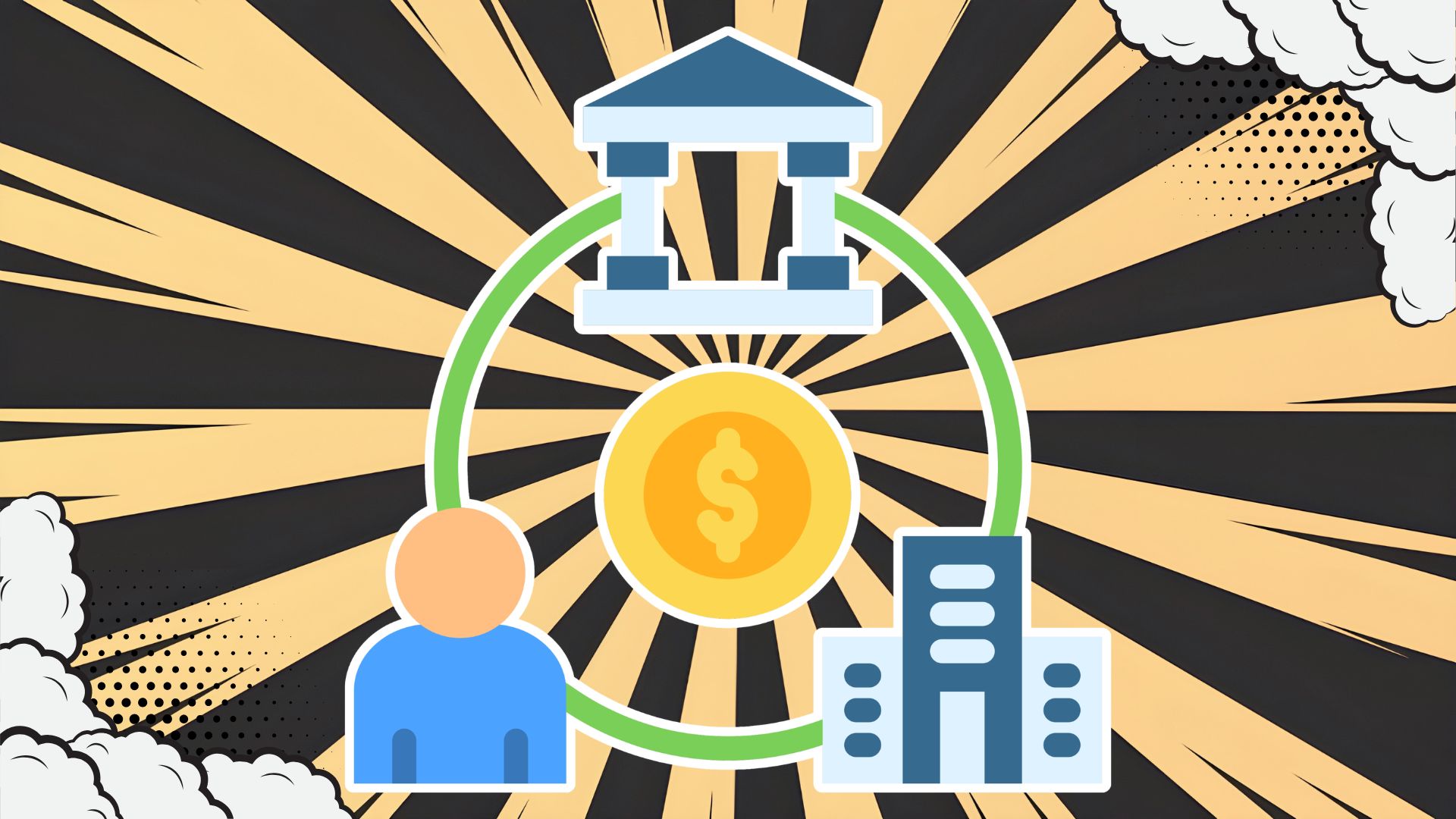
The operational flow is intentionally simple: a user deposits USDT → Bybit mints an equivalent amount of ByUSDT → the token is allocated to a chosen product (e.g., Earn, margin) → the user earns yield or gains leveraged exposure. When ready, the process reverses, burning ByUSDT and returning the original USDT plus any accrued interest.
Why ByUSDT Matters for Retail Traders
1. Turning “Idle” Capital Into Income
Retail crypto investors often keep large balances of USDT on exchanges simply because it’s the most liquid bridge to other assets. Yet that capital normally sits on a ledger earning zero. ByUSDT turns the same balance into a dual‑purpose asset: it can still be swapped instantly, but it also accrues a yield while serving as collateral.
“It’s the old financial trick of parking cash in a high‑yield savings account—except the ‘bank’ is a global crypto exchange and the interest rates are competitive with DeFi protocols,” notes fintech analyst Priya Patel.
2. Lowering the Bar for Margin Trading
Traditional margin trading on crypto exchanges requires traders to lock up a portion of their holdings as collateral, effectively reducing the amount of capital they can deploy. ByUSDT allows traders to borrow against their own stablecoin, freeing up the underlying USDT for additional trades or transfers. In practice, this can increase effective leverage without raising the margin‑call threshold.
3. Streamlined Compliance
Regulators worldwide are tightening scrutiny on stablecoins, demanding proof of reserves and clearer risk controls. ByUSDT’s transparent audit trail—published on Bybit’s website and accessible via a public blockchain explorer—offers a level of compliance that many DeFi‑only stablecoins lack. For risk‑averse retail users, that visibility can be a decisive factor.
4. Unified User Experience
Most competitors require users to move assets between multiple platforms: a separate wallet for DeFi staking, an exchange for spot trading, and a lending hub for yield farming. ByUSDT aggregates these functions under Bybit’s single‑sign‑on environment, cutting friction and reducing the likelihood of user error.
How ByUSDT Stacks Up Against the Competition
| Token | Backing | Yield Range (Earn‑style) | Collateral Use | Platform Integration |
|---|---|---|---|---|
| ByUSDT (Bybit) | 100% USDT, cold‑storage reserves | 5‑12% APY (dynamic) | Spot, perpetual futures, options | Native to Bybit’s trading & Earn suites |
| USDC (Circle) | 100% USD (bank deposits) | 3‑7% via third‑party DeFi | Widely accepted, but not exchange‑specific | Used across many DEXes, some CEXes |
| BUSD (Binance) | 100% USD (bank deposits) | 4‑9% through Binance Earn | Spot & futures on Binance | Integrated into Binance’s ecosystem |
| DAI (MakerDAO) | Over‑collateralized crypto | 5‑10% via lending protocols | Primarily DeFi | Decentralized; no single exchange tie‑in |
| TUSD (TrustToken) | 100% USD (bank deposits) | 2‑5% via partner platforms | Spot & margin on limited exchanges | Limited exchange integration |
While USDC and BUSD dominate the “stablecoin‑as‑collateral” space on larger exchanges, ByUSDT’s unique selling proposition is its tight coupling with Bybit’s high‑leverage products. The token isn’t just another bank‑backed coin; it’s a functional component of Bybit’s risk‑managed margin engine, offering a seamless transition between collateral and yield generation.
Moreover, ByUSDT’s over‑collateralization buffer and monthly audit disclosures give it a compliance edge that many DeFi‑native stablecoins (e.g., DAI) can’t claim, especially in the eyes of regulators emphasizing transparency.
Industry Context: The Rise of Yield‑Earning Collateral
The broader crypto market has been moving toward a hybrid model that blends traditional finance (TradFi) notions of collateral efficiency with the flexibility of decentralized finance (DeFi). A few trends are converging:
- Stablecoin Maturation – After the 2022 crash, major stablecoins tightened reserves and embraced regular attestations, restoring confidence among institutional players.
- Regulatory Push for Transparency – The U.S. Treasury’s “stablecoin charter” proposal, alongside EU’s MiCA framework, is forcing issuers to publish proof‑of‑reserve reports—an approach Bybit has pre‑emptively adopted.
- Retail Margin Adoption – Retail traders are increasingly comfortable handling leverage, as platforms like Bybit, Binance, and OKX simplify margin mechanics. Yield‑earning collateral reduces the perceived risk of over‑leveraging.
- Cross‑Chain Liquidity Pools – Projects such as LayerZero and Axelar are building bridges that will eventually allow stablecoins like ByUSDT to be deployed on multiple L1/L2 networks without losing yield accrual. ByBit’s roadmap already mentions “future multi‑chain support” for ByUSDT.
By introducing ByUSDT now, Bybit appears to be positioning itself at the intersection of these trends, offering a product that satisfies regulatory demands while delivering the kind of income‑generating flexibility that DeFi users have been chasing for years.
Potential Market Impact
Short‑Term: User Retention and Liquidity Capture
ByBit’s user base, which topped 15 million active accounts in Q4 2023, will likely see an uptick in funds‑on‑platform metrics. When users lock USDT into ByUSDT, they can’t instantly withdraw the underlying asset without burning the token—effectively increasing “sticky” capital. This should improve ByBit’s order‑book depth and reduce churn in volatile market conditions.
Mid‑Term: Competitive Response
Competitors are expected to mirror the collateral‑yield model. Binance already promotes BUSD‑based margin, but the explicit “Earn while you trade” framing gives ByBit a marketing edge. We may see an acceleration of stablecoin‑centric product bundles across exchanges, each vying for retail attention via higher APYs or lower fees.
Long‑Term: Influence on Stablecoin Regulation
If ByUSDT successfully scales while maintaining audit transparency, it could serve as a case study for regulators assessing the viability of exchange‑issued stablecoins. ByBit might also lobby for standardized reserve‑verification protocols that could be adopted industry‑wide, smoothing the path for future exchange‑backed tokens.
Risks and Caveats
No product is without its downsides. Potential concerns include:
- Reserve Counterparty Risk – While ByBit publishes monthly attestations, the actual USDT reserves are still subject to Tether’s own controversies surrounding its backing. A sudden de‑peg of USDT could ripple through ByUSDT.
- Liquidity Concentration – If a large proportion of ByBit’s margin exposure is tied to ByUSDT, an extreme market move could stress the over‑collateralization buffer, necessitating emergency liquidations.
- Regulatory Uncertainty – Even with transparent audits, certain jurisdictions may still classify ByUSDT as a “securitized” instrument, imposing additional licensing requirements on ByBit.
- Yield Volatility – The advertised 12% APY is not guaranteed; it fluctuates with borrower demand and market rates. Retail users accustomed to fixed‑rate savings might be surprised by adjustments.
ByBit has mitigated many of these issues through dynamic risk monitoring dashboards and real‑time reserve ratio alerts, but investors should still conduct due diligence.
What It Means for FinTech Professionals
For fintech firms tracking the convergence of crypto and traditional finance, ByUSDT exemplifies a productization strategy that blends compliance, user experience, and revenue generation. The key takeaways:
- Embedded Yield – Incorporating passive income streams directly into core user flows can boost engagement dramatically.
- Transparent Audits – Regular, public attestations not only satisfy regulators but also act as a trust signal for retail users skeptical of “black‑box” stablecoins.
- Cross‑Product Synergy – By linking collateral, lending, and trading under a single token, Bybit reduces friction—a lesson for any platform looking to lock in liquidity.
Fintech developers might consider building API layers that allow seamless risk‑adjusted collateral swaps, while compliance teams should align audit schedules with product launches to avoid regulatory surprises.
Bottom Line
ByBit’s introduction of ByUSDT marks a noteworthy evolution in the stablecoin space: a token that is simultaneously a collateral conduit, a yield‑generating asset, and a compliance‑focused instrument. For retail traders, the immediate benefit is clear—idle USDT can now work harder, offering up to double‑digit APY while still supporting leveraged positions.
The broader market will be watching how ByBit balances reserve transparency, risk buffers, and competitive APYs against the backdrop of intensifying regulatory scrutiny. If ByUSDT proves resilient, it could become a template for other exchanges seeking to tighten the loop between trading and earning.
Stay tuned—the next wave of crypto products will likely blur the line between “trading account” and “investment portfolio” even further, and ByUSDT may just be the first step in that direction.
Get in touch with our fintech expert